Surviving Anniversaries and Birthdays After Losing A Spouse
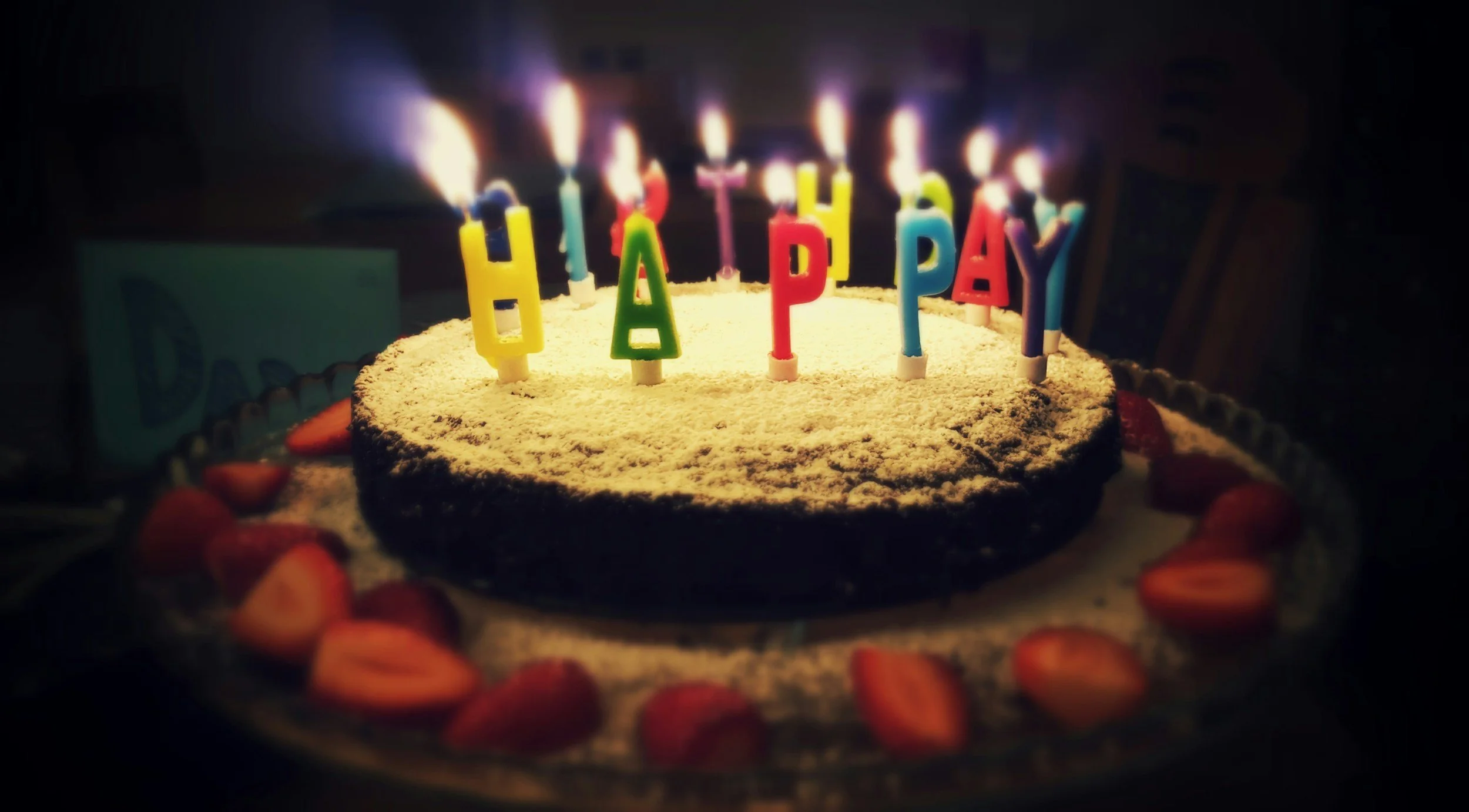
When a milestone day is coming — your wedding anniversary, their birthday, the first Christmas without them — the dread beforehand is often worse than the day itself. The date starts to loom on the calendar weeks in advance. By the time it actually arrives, you're so braced for impact that you can barely feel anything at all.
Which days hit hardest depends on the life you built together. It might be the anniversary of the day you married, or a special night of the week that was just for the two of you. My late husband and I always had movie night on Tuesdays. It was our thing. It might be the first time a holiday season arrives and half the table feels empty. Some dates hold your spouse the way a photograph does, and you can feel them approaching long before they land.
That's the first thing worth knowing about milestone days: the anticipation usually carries more pain than the day itself.
The second is what the pain on the day actually means. When it comes, it can feel enormous, and you might worry that its intensity is a step backwards, that after months or years of learning to live with this loss, you shouldn't still be hit this hard.
But, let me reassure you…this is hard!
These difficult milestone days are evidence of how much this person mattered to you.
How to Prepare Yourself For Those Hard Days
A good way to prepare for a milestone day is to give yourself options in advance. It's about deciding the important things ahead of time, so there's less to figure out on a day when you'll have the least capacity to figure anything out, and more room to actually feel close to your spouse.
Planning ahead can also ease the weeks beforehand, by giving all that anticipatory dread somewhere useful to go instead of just circling.
A few things worth considering as you plan:
Choose one way to feel connected to them. Cook the meal they always requested for their birthday. Go to their favorite restaurant and order their favorite meal. Play the song from your first dance. Sleep on their side of the bed. Go visit the place where they proposed. Write them a letter you'll never send. Pick one thing that feels like them, and let that be enough.
Tell one or two people, beforehand, exactly what you need. Say it plainly, even if what you need is to be left completely alone that day. Even if what you need is for someone to just sit with you and not talk about it. The day is hardest when nobody around you knows it's coming, and you're left explaining your own grief in real time to people who had no idea what date it was. Tell them in advance.
You are allowed to say no. Family or friends may have their own ideas about how the day should be marked, whether it’s a gathering, a toast, a visit to the cemetery. You can appreciate that they're thinking of your spouse too, and still choose what's actually right for you. Their love for your spouse doesn't obligate you to grieve on their terms. Do what you want. Do what feels right. And know that you can always change your mind, even at the last minute!
And if none of this dread is familiar to you, if the day arrives and you feel more peace than you expected, or grief that doesn't match this shape at all, well, that isn't a sign that anything is wrong with you, either!
Grief keeps its own timetable. Yours doesn't have to look like anyone else's.
I hope this helps shed some light on what widowhood can look and feel like. Remember, you’re not alone in this.
If you need more support and encouragement, I invite you to check out all of the Widow 180 Workbooks in the Widow 180 Workbook Series. We cover topics like finding purpose, boosting confidence, letting go of guilt, finding your identity, and dating again after loss. These workbooks are designed to meet you where you are in your grief journey. Take a look HERE!